
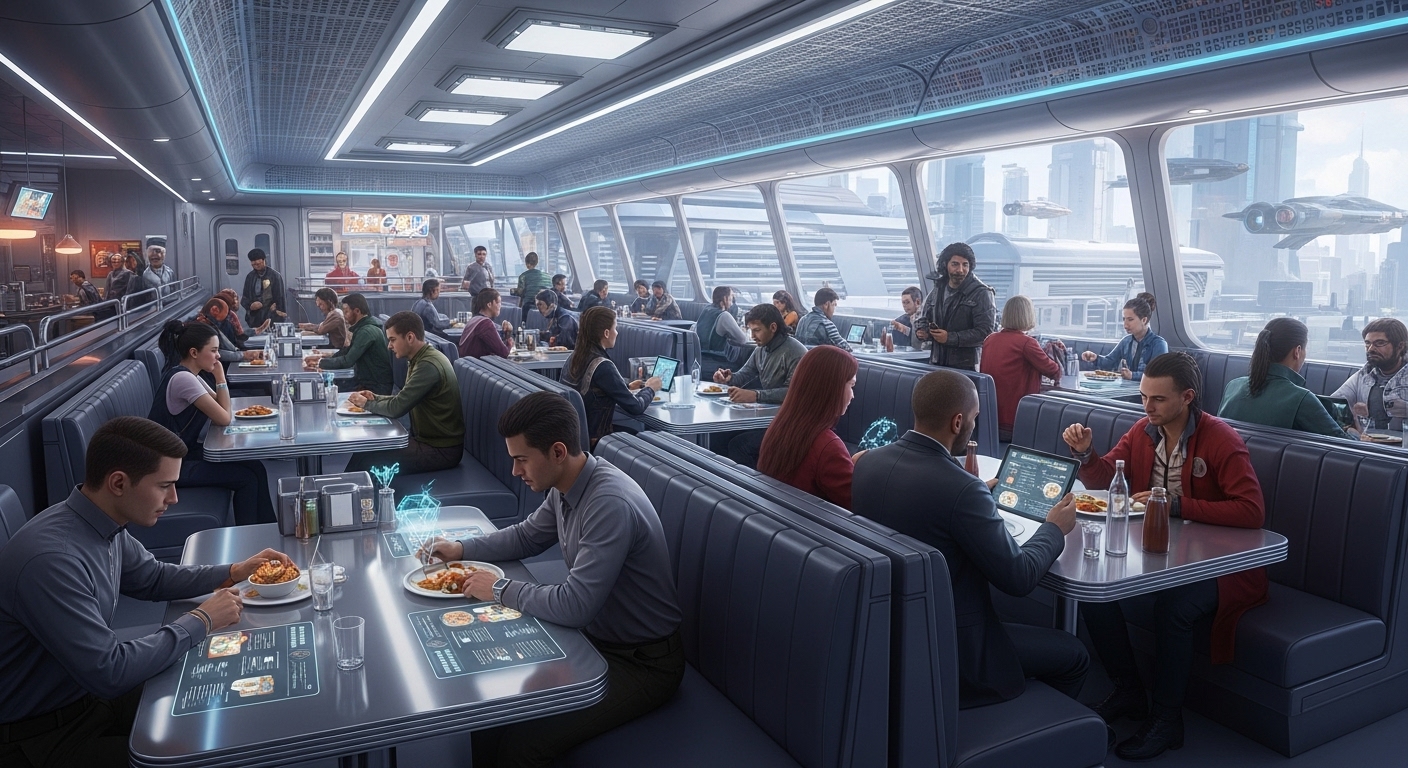
The Restaurant Funnel
Theory is valuable, but practical application is what drives results. The true power of the unlimited funnels strategy is revealed when it is applied to the specific contexts of local businesses. The structure of any given funnel is dictated entirely by the customer’s psychology, their level of urgency, and the perceived risk of the purchase. A business owner must first diagnose the customer’s “pain type”—is it an acute, urgent problem or a chronic, long-term goal?—before designing the marketing journey. The following blueprints illustrate how restaurants, home service providers, and retailers can build distinct funnels for different goals and customer segments.
A restaurant’s success hinges on a constant flow of new diners, a loyal base of regulars, and the ability to fill seats on typically slow nights. Each of these objectives is best served by its own dedicated funnel.
- Funnel 1: New Customer Acquisition (The “Free Appetizer” Funnel)
- Goal: To convert local residents who have not yet visited into first-time customers by lowering the barrier to entry.
- Awareness (TOFU): The funnel begins with a hyper-local paid ad on Facebook or Instagram, targeting users within a 3-5 mile radius who have expressed interests in “dining out,” “foodie,” or specific cuisines. The ad creative is not a generic logo but a vibrant, high-quality video or photo of a signature, mouth-watering dish.
- Interest (MOFU): The ad’s call to action, “Get a Free Appetizer,” drives traffic to a simple, dedicated landing page. This page reinforces the offer: “Enter your email to receive a voucher for a complimentary appetizer with the purchase of any main entrée”. This is a classic “lead magnet” strategy, exchanging a small piece of value for a valuable piece of contact information.
- Desire/Action (BOFU): Upon submission, the voucher is automatically delivered to the user’s inbox. This email not only contains the coupon but also includes enticing photos of other popular dishes, a link to the full menu, and perhaps a short note from the chef, all designed to build desire and encourage a reservation. The voucher itself creates a tangible incentive to take action and visit the restaurant.
- Funnel 2: Event Promotion (The “Trivia Night” Funnel)
- Goal: To drive bookings for a specific event, often held on a traditionally slower night of the week to maximize revenue.
- Awareness: This funnel targets a warmer audience. It starts with an email blast to the existing customer list and a series of engaging posts on social media channels announcing the upcoming “Trivia Night”.
- Interest: Follow-up posts and emails build excitement by showcasing the event’s theme, the grand prize for the winning team, and any special food or drink promotions exclusive to that night (e.g., “Taco Tuesday” or “2-for-1 Drinks”).
- Desire/Action: As the event date approaches, the messaging incorporates urgency and scarcity. Phrases like “Only 5 tables remaining!” or “Book now before we’re sold out!” motivate immediate action. The call to action is direct: “Reserve Your Table Now,” leading to an online booking platform or a dedicated phone line.
- Funnel 3: Loyalty & Retention (The “VIP Diner’s Club” Funnel)
- Goal: To convert one-time or occasional diners into loyal, high-frequency regulars who feel a special connection to the brand.
- Entry Point: The funnel begins at the point of sale. A small card included with the bill, or a follow-up email after a visit, invites the customer to join the free “VIP Diner’s Club” or loyalty program.
- Nurturing: Once enrolled, VIP members are segmented into a separate email list. They receive communications that are different from the general audience, focusing on exclusivity. This includes members-only discounts, first access to seasonal menu items, complimentary birthday desserts, or invitations to special tasting events. The goal is to make them feel recognized and valued.
- Advocacy: The funnel doesn’t just aim for repeat business; it aims to create advocates. Periodically, the system can send an automated email to highly engaged VIPs (e.g., those who have visited 3+ times in a quarter) asking them to share their experience by leaving a Google or Yelp review, offering a small reward like bonus loyalty points for doing so. This approach to customer engagement helps restaurants in Sugar Land and surrounding areas transform satisfied diners into passionate brand ambassadors.